A grounded perspective for long-term owners and investors
I have been managing rental properties in Colorado for more than two decades. I have lived through growth cycles, corrections, plateaus, and moments when the market felt genuinely uncertain. What we are experiencing right now is uncomfortable for a lot of owners, but it is not unfamiliar. And it does not mean that Colorado real estate has stopped working.
What it does mean is that the market is asking us to slow down. To pay attention. To make decisions based on fundamentals instead of momentum.
In 2026, Colorado real estate still works for owners and investors who understand the long view. For people who care about stewardship, who make thoughtful decisions, and who hold property with intention rather than reacting to short-term pressure. That has always been true here. The path just looks different depending on the moment we are in.
Why Does This Moment Feel Harder Than the Last Few Years
The past several years created expectations that were difficult to sustain. We saw rapid rent growth, historically low vacancy, and intense demand. Many owners experienced year-over-year increases that felt almost effortless.
That’s changed.
We’re seeing more inventory, especially in condos and attached homes. Rent growth has slowed. Some properties are taking longer to lease. Interest rates have shifted buying behavior. Population growth has slowed compared to the peak years.
When all of that happens at once, it’s easy to assume something is wrong. What’s actually happening is absorption.
Colorado went through a period of extraordinary growth. A lot of new housing was planned during that time, based on demand that no longer looks quite the same. Those units are coming online now, just as growth has normalized. That creates short-term pressure, particularly in urban and attached housing.
I have seen this pattern before. It is rarely comfortable at the moment, but it is not a panic signal.
Short-Term Noise Versus Long-Term Strength
Boulder and Denver Are Not the Same Market
One of the most common mistakes I see is treating Colorado as a single market, when in reality it isn’t. Boulder behaves differently from
Denver, and investors need to understand that distinction.
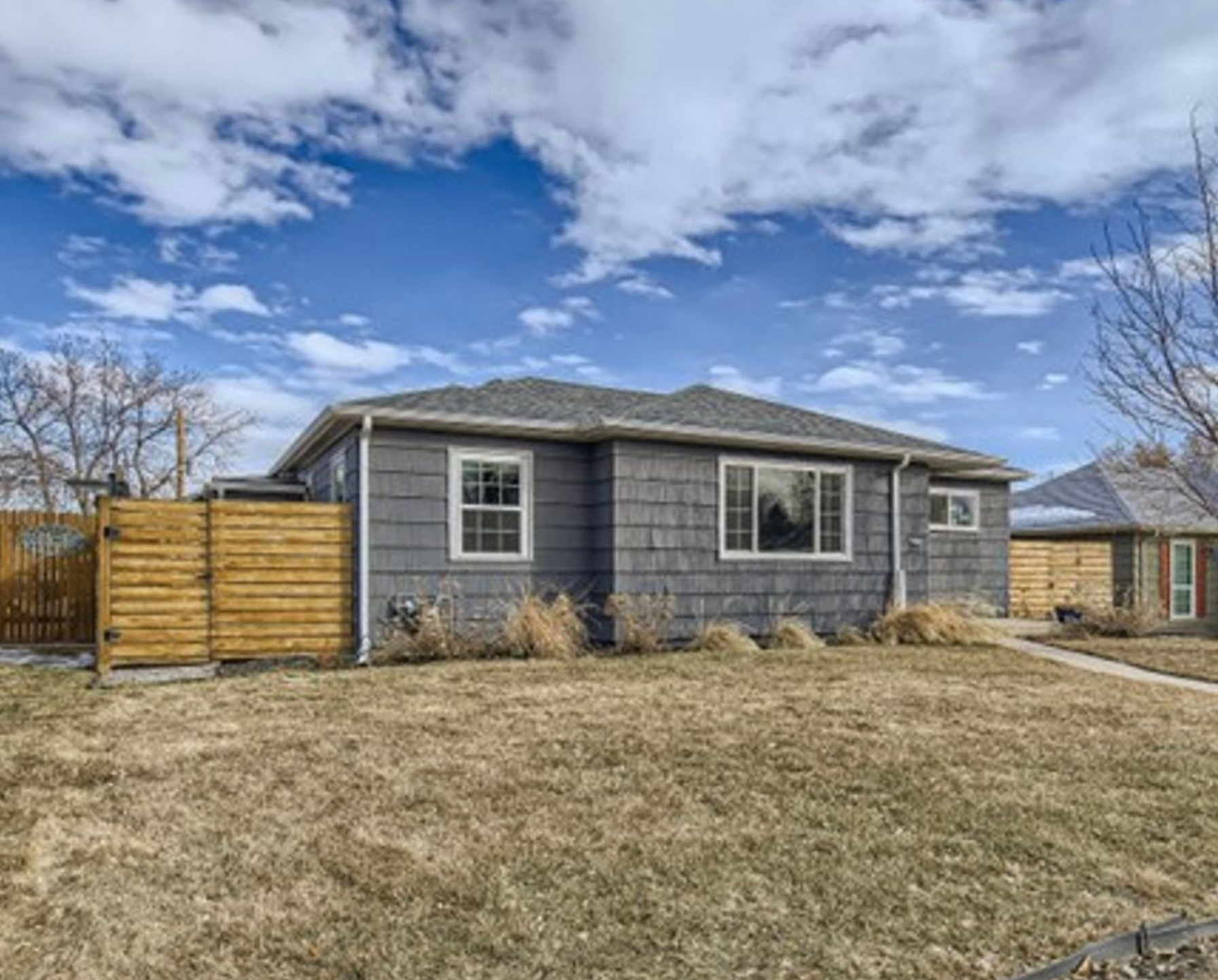
Boulder has more supply constraints, stronger long-term demand, and a higher concentration of single-family homes and value-driven tenants. It tends to be resilient, but selective. Properties need to be well-positioned, well-cared-for, and priced realistically.
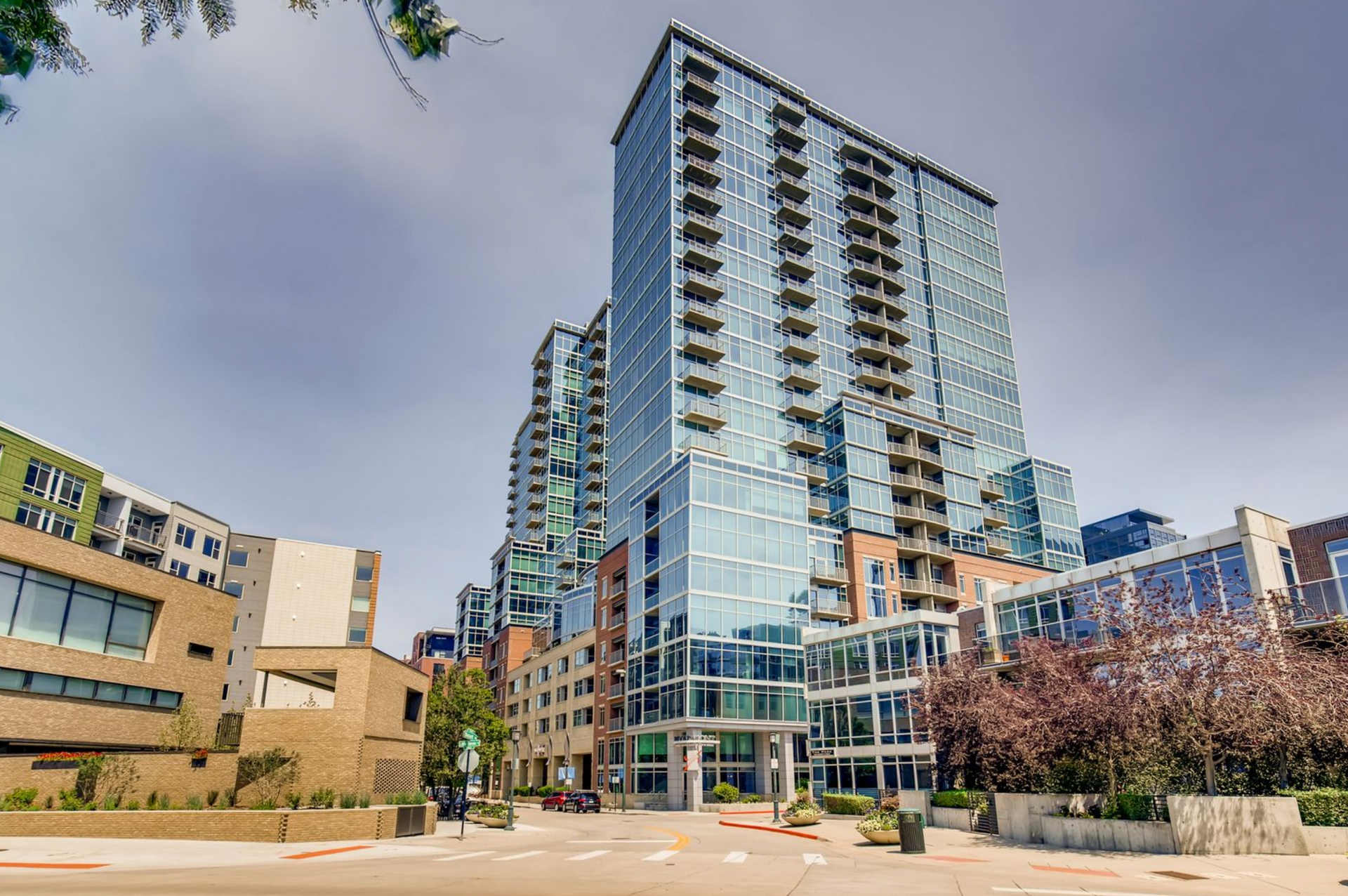
Denver has experienced a larger influx of new inventory, particularly in multifamily and attached housing. That has created more
competition and more concessions in certain areas. At the same time, Denver remains an important long-term market with strong employment drivers and ongoing absorption.
Neither market is broken. They’re simply in different phases. The owners who do best understand where their property sits and adjust strategy accordingly, rather than reacting to headlines that flatten everything into one narrative.
What Experienced Owners Do During Corrections
The most successful owners I work with don’t freeze during corrective periods. They focus, and they stay engaged.
They pay close attention to how their property is positioned in the market. They invest in maintenance that protects long-term value. They think about efficiency, livability, and the tenant experience, and they stay realistic about pricing without racing to the bottom.
They also understand that maintenance isn’t a loss. It’s reinvestment. Replacing systems before they fail, upgrading thoughtfully, and keeping a property competitive protects the asset and often prevents much larger costs later.
What matters most is that they don’t step away.
Corrections tend to reward owners who stay present and intentional, and they tend to expose neglect or reactive decision-making.
Is 2026 a Good Time To Buy in Boulder?
Why Stewardship and Partnership Matter More Now
As the market becomes more complex, management becomes more than a service. It becomes a strategy.
Legislation has changed and tenant protections have expanded, which means compliance matters more than ever. Owners need partners who are paying attention, who understand the rules, and who also understand the human side of housing. Especially when decisions aren’t simple.
At Fox Property Management, we have always believed that taking good care of tenants protects owners. That clear communication reduces risk. That long-term thinking beats short-term optimization.
Those values are not a marketing angle. They are how we have navigated every cycle we have lived through.
A Steady Path Forward
Colorado real estate has never moved in straight lines. It’s always moved in cycles, and those cycles tend to reward patience, care, and good decision-making over time.
2026 isn’t about chasing growth. It’s about positioning yourself well, understanding the asset you own, and staying aligned with why you invested in the first place.
If you’re holding property here, you’re not alone. And if you’re considering the next step, this is a moment to slow down and get thoughtful rather than rushing or retreating.
I’m always open to having that conversation. Sometimes it’s about a specific property. Sometimes it’s about a portfolio. And sometimes it’s simply about how to think clearly when the noise gets loud.
That’s how Colorado real estate continues to work.