FOX TALKS: Colorado Real Estate Insights — Boulder–Denver Market Conditions & Investment Outlook
Lately, many of our conversations have been starting in the same place.
Owners are asking if they should be concerned. Investors are wondering if they missed their moment. There’s a lot of noise, and it’s understandable that it’s creating unease.
When the vacancy rate increases, rent growth pauses, and headlines start using words like correction and slowdown, it’s easy to assume something is wrong.
What I am seeing in the Boulder–Denver market right now isn’t a breakdown of fundamentals. It’s a recalibration. And those are very different things.
I have been operating in this market for more than two decades. I have lived through cycles of rapid growth, plateaus, and moments that feel uncomfortable in real time. Again and again, the periods that test confidence are often the ones that reward owners who stay grounded, informed, and intentional about their long-term strategy.
This moment calls for clarity, not panic, and for thoughtful decisions rooted in perspective rather than headlines.
What’s Actually Driving the Current Market Conditions
Right now, a lot of things are happening at once, and looking at them separately doesn’t really capture what’s going on.
There has been a significant delivery of new housing, particularly attached dwellings and large-scale developments, especially in Denver. Much of this construction was planned years ago, during a period of rapid population growth and rising rents. That inventory is now hitting the market all at once.
At the same time, population growth in Colorado has slowed. People are still moving here, but not at the pace I saw in the years immediately following COVID. When softer demand meets a surge in supply, pressure shows up in pricing, vacancy, and owner confidence.
Interest rates add another layer. Fewer people are buying. Some intended sellers are becoming accidental landlords. Properties that were never underwritten as rentals are now competing in the rental pool. That adds more inventory and often at price points the market won’t actually support.
None of this means Colorado has suddenly become a weak market. What it does mean is that timing, property type, and positioning matter more than they did a few years ago.
We recently walked through this dynamic in a FOX TALKS market update, breaking down how these forces intersect and why averages can be misleading when you’re evaluating your own property. That level of nuance rarely makes headlines, but it’s essential for thoughtful, well-informed decision-making.
Why Property Type Matters More Than Ever
One of the biggest mistakes I am seeing right now is treating “the market” as a single thing.
It isn’t.
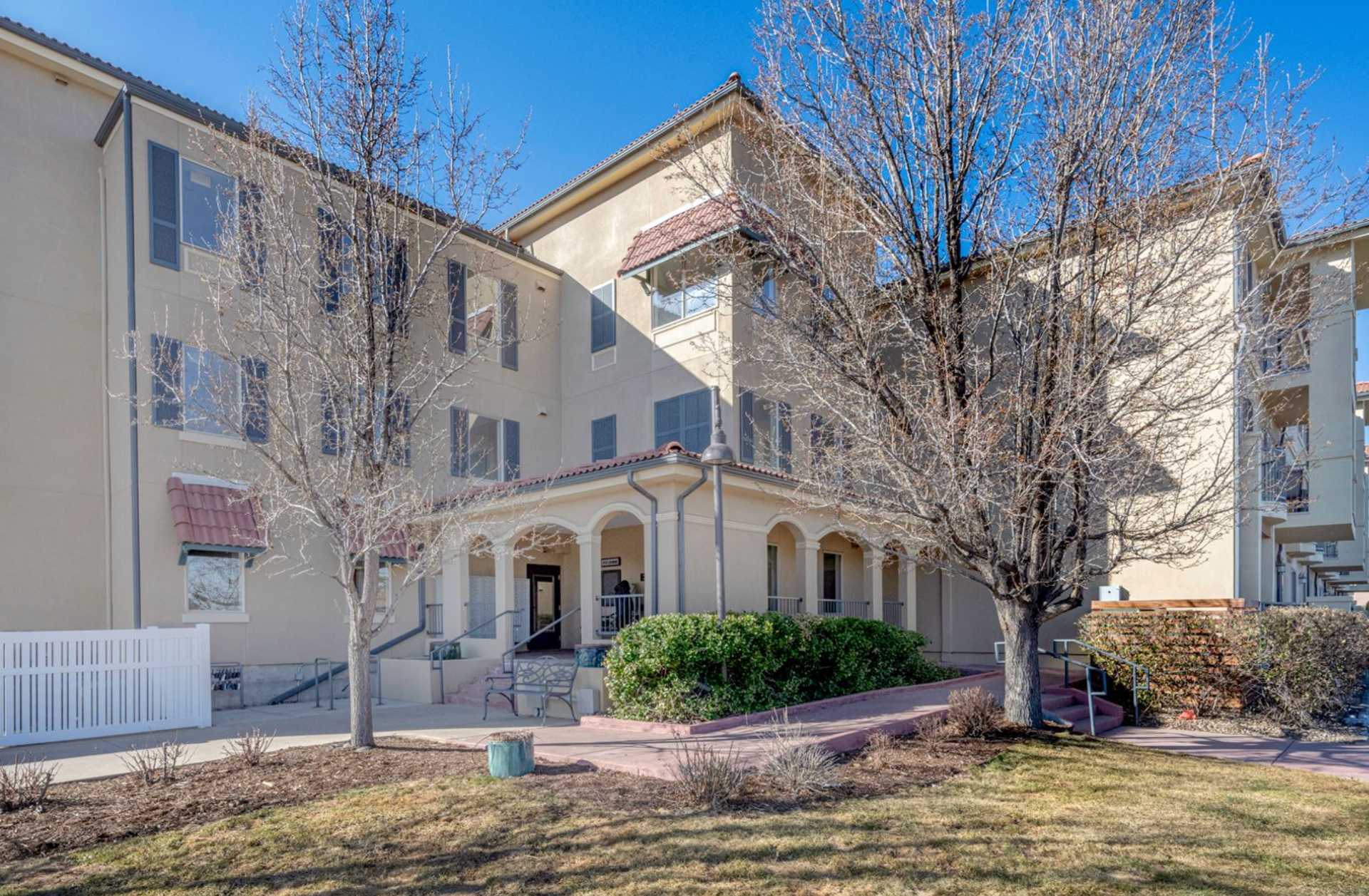
Attached dwellings, especially condos in dense developments, are feeling the most pressure. These properties are competing directly with brand-new inventory that comes with concessions, amenities, and institutional marketing power. For owners of older condos, the challenge isn’t just price. It’s perceived value.
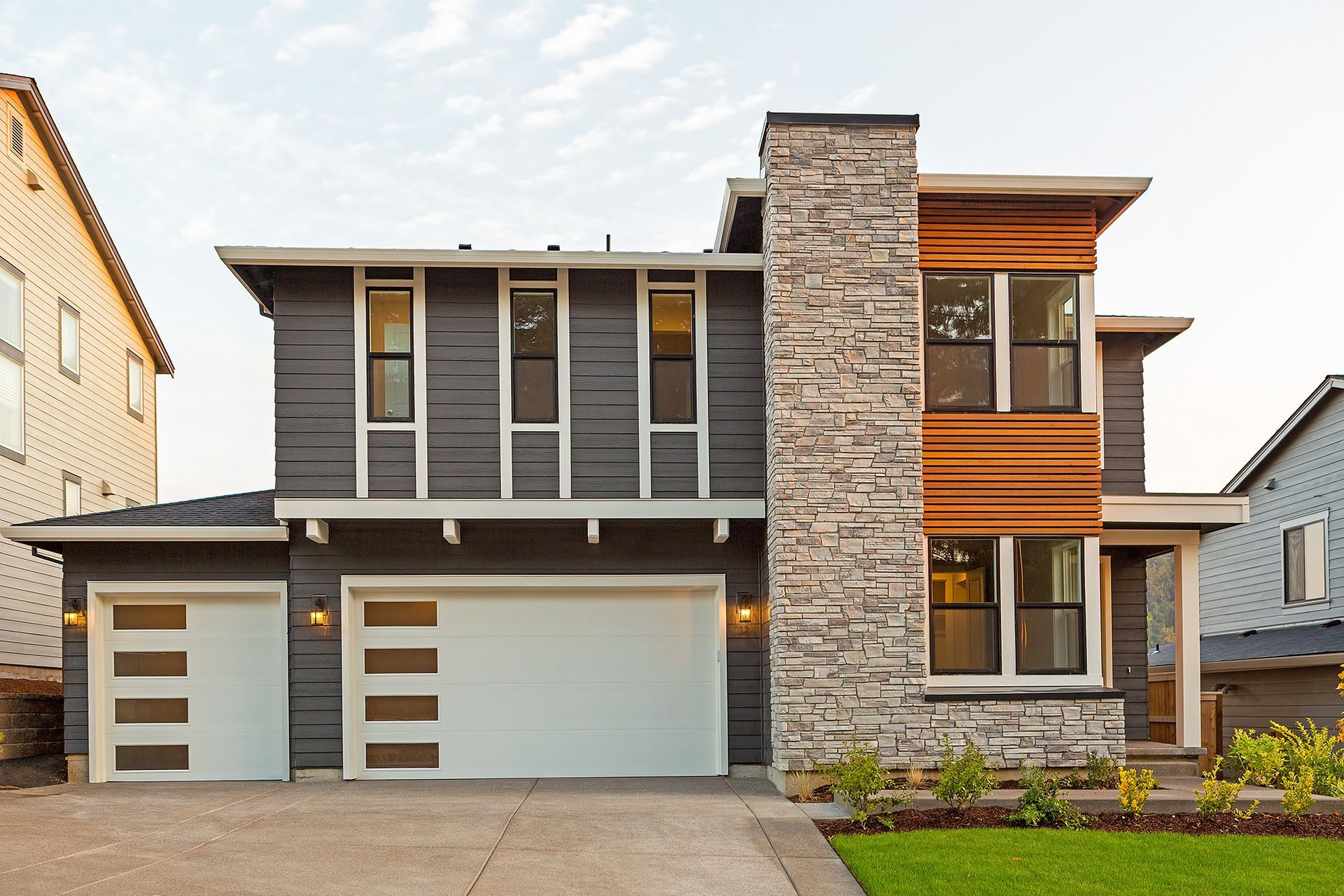
Single-family homes, on the other hand, continue to show resilience. Properties with yards, functional layouts, and livability features still rent. They may not command the same aggressive increases we saw in 2022 and 2023, but demand remains steady.
Location and uniqueness also matter more than ever. Walkability. Access to trails or downtown. A layout that works for how people actually live now. These factors create insulation during periods of adjustment.
We talk about this often in our FOX TALKS episodes because it’s one of the clearest examples of why local, operational insight matters. When you’re managing hundreds of properties across different neighborhoods and property types, patterns emerge quickly. Market reports rarely capture that level of nuance, but it’s exactly where better decisions are made.

Looking Ahead to 2026 With Clarity, Not Hype
One of the questions I hear most often right now is whether things will “get better.”
The honest answer is that the data points toward stabilization and modest improvement, particularly as we move into 2026. Inventory is being absorbed. Construction pipelines are slowing. Rent growth is expected to resume at a more sustainable pace.
That isn’t a rebound story. It’s a healthy one.
Markets that grow too quickly tend to correct. Markets that correct often reward patience and discipline. Colorado has always been a long-term investment environment, not a year-over-year speculation strategy. When you step back and look at the bigger picture, the fundamentals remain intact: strong desirability, long-term job growth, and a lifestyle appeal that continues to attract people to the region.
In a recent FOX TALKS conversation, I shared why economists are becoming increasingly optimistic about 2026, and how this moment mirrors other periods where thoughtful investors positioned themselves quietly and intentionally, while others waited for certainty. In our experience, certainty usually arrives after opportunity.
Strategic Implications For Owners and Investors
What matters most right now is alignment between your goals and your tolerance.
For long-term owners, short-term softness doesn’t erase the value of holding a tangible asset that’s being paid down over time. It may call for a temporary adjustment in expectations, but it doesn’t undermine the broader strategy.
For those considering a purchase, this is one of those quieter windows where pricing, negotiation leverage, and selection can work in your favor, particularly if you’re well-capitalized and thoughtful about asset quality and positioning.
For owners feeling pressure today, the more productive question isn’t, “How do I avoid loss?” It’s, “How do I position this property to perform through the next phase of the cycle?” In some cases, that means adjusting pricing. In others, it’s targeted improvements. And sometimes, it’s simply allowing time and patience to do their work.
There is no single right answer. There is only the right answer for your situation.

Why Local Expertise Matters Most In Moments Like This
In fast, rising markets, almost anyone can look smart. In recalibrating markets, experience shows up.
At Fox, our role goes beyond managing properties. We help owners interpret what they’re seeing, place decisions in context, and avoid reactive moves that don’t serve long-term goals. That’s why access to leadership matters to us. It’s why we stay closely connected to the day-to-day realities of our portfolio. And it’s why we prioritize education alongside execution.
We say this often because it remains true: real estate wealth isn’t built in a single year. It’s built by holding quality assets, making thoughtful, informed decisions, and staying engaged through market cycles.
This is one of those cycles where perspective becomes the advantage.
If you’d like to talk through what this moment means for your specific property or portfolio, those conversations are always welcome. When the noise gets loud, clarity is often closer than it feels.






Why Fox Is One of the Sundance Film Festival's Preferred Partners for Property Management in Boulder