Why Property Type Is a Strategy Decision, Not a Market Bet
Many investors focus heavily on timing and location. Those things matter, but property type often has a bigger impact on long-term success.
Different property types behave differently. Some favor stability. Some favor growth. Some require very little day-to-day involvement.
Others ask you to stay engaged and make decisions constantly. Some feel predictable. Others come with more upside and more swings.
When those factors are aligned with your expectations, investing feels manageable. When they’re not, even a good property can become stressful very quickly.
I’ve worked with investors across all three models, and what I’ve learned is simple. There’s no universally right choice. There is only alignment.
Single-Family Rentals: Stability, Simplicity, and Exposure
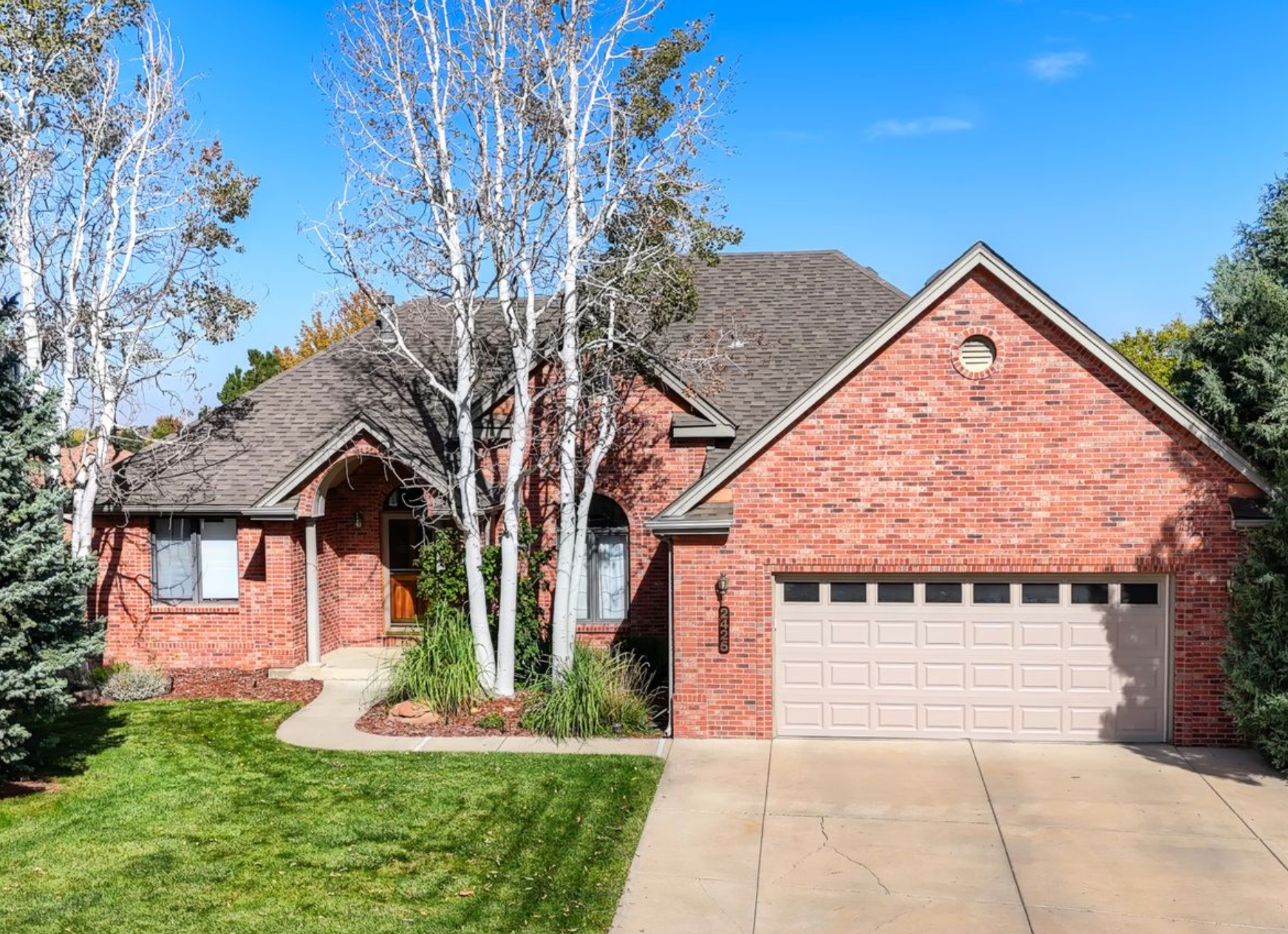
Single-family rentals are often where investors start, and for good reason. They're familiar, easier to finance, and straightforward to manage. One home. One household. One lease.
These properties tend to attract longer-term tenants, especially families who care about space, yards, and staying put for a while. That usually means fewer turnovers and a more stable experience over time, which is a big reason people are drawn to them.
The trade-off is concentration risk. One door means one income stream. When that tenant moves out, income drops to zero until the home is leased again. Cash flow per property is usually more limited compared to other models, even though appreciation can be strong in the right neighborhoods.
For patient investors who value simplicity and predictability, single-family rentals can be an excellent foundation. They are steady. They are understandable. And for many people, that’s exactly the point.
Multifamily Properties: Scale, Systems, and Resilience
Multifamily properties shift real estate from ownership into business operations.
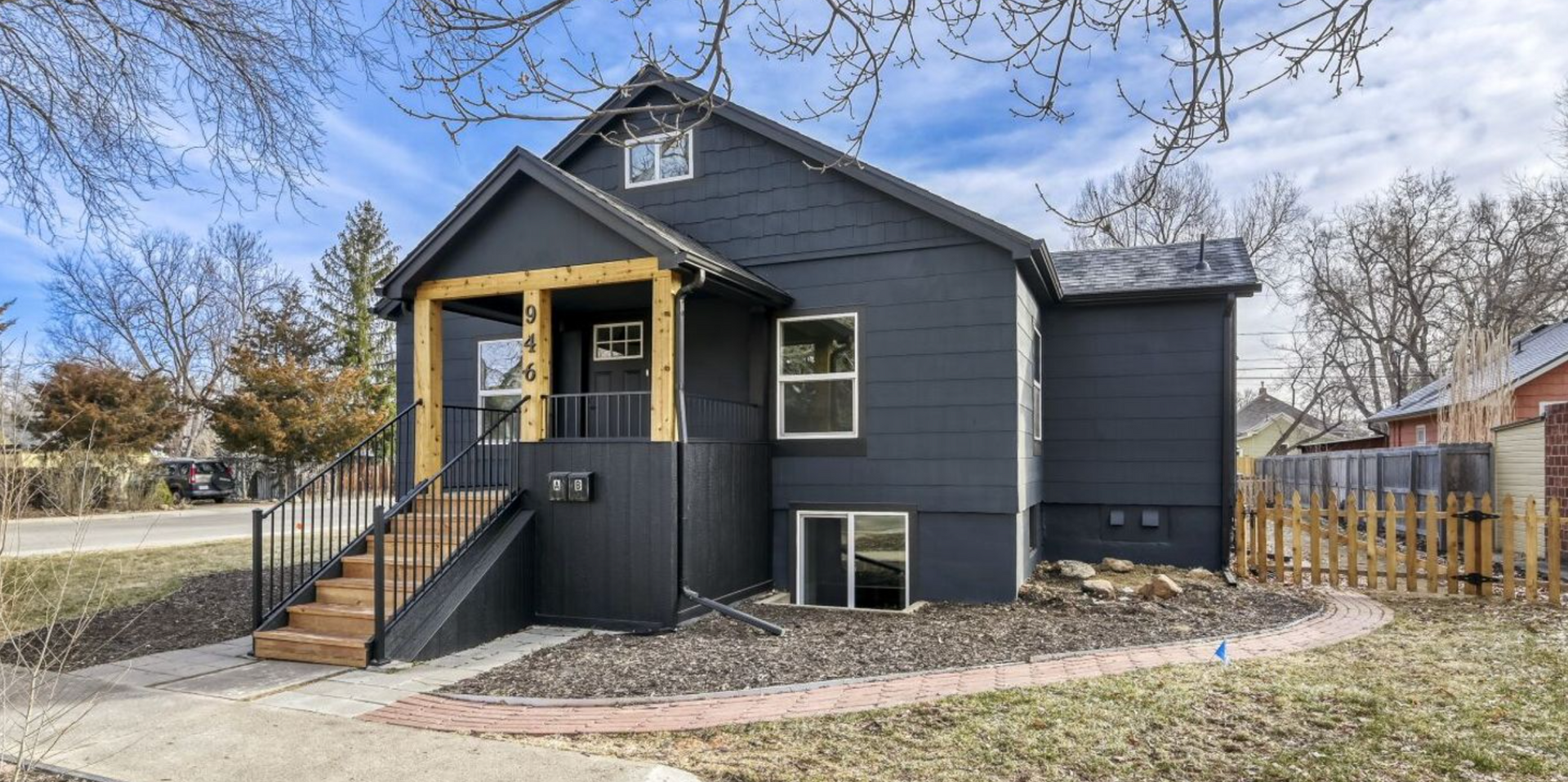
With multiple units under one roof, you gain diversified income. If one unit is vacant, the others continue producing rent. That alone can significantly reduce volatility compared to single-family ownership.
Multifamily also benefits from scale. Maintenance, insurance, and management costs are often more efficient on a per-unit basis. And because income directly drives value, there’s more opportunity to improve performance through operations. Adjusting rents thoughtfully.
Tightening expenses. Making upgrades that actually move the needle.
The trade-off is complexity. Multifamily requires more capital, larger loans, and more sophisticated financing. Management is more involved, with multiple tenants, leases, and maintenance issues happening at once. Many investors choose professional property management here, which adds cost but removes the day-to-day operational burden.
Multifamily works best for investors who are ready to build systems, not just collect rent. It rewards preparation and experience far more than optimism.
Short-Term Rentals: Hospitality, Volatility, and Regulation
Short-term rentals often get the most attention because of their income potential. In strong locations, nightly and weekly rentals can outperform traditional long-term rents, especially during peak seasons or major events.
But short-term rentals are not passive real estate. They operate like hospitality businesses.
Income can be seasonal and unpredictable. Operating costs are higher due to cleaning, utilities, supplies, and frequent turnover. Management is intensive whether you do it yourself or hire help.
In Colorado, regulation plays a big role. Many cities, including Denver, require licenses, limit non-primary residence rentals, and enforce zoning rules and lodging taxes. Those rules don’t just affect profitability. They determine where short-term rentals are even allowed to exist.
Short-term rentals offer upside, but they come with volatility, hands-on management, and regulatory exposure. They’re best suited for investors who want to run an active business, not those seeking hands-off income.
I’ve talked about this distinction in depth during FOX TALKS episodes where we walk through real-world examples of owners underestimating the operational side of short-term rentals and feeling surprised by how involved it becomes.
Comparing the Three: Income, Risk, and Involvement
When you put these three models next to each other, the differences become clear.
Single-family rentals offer steady income with moderate, predictable risk. They’re usually the easiest to manage but carry full vacancy exposure.
Multifamily properties provide scalable income and diversified risk, but require systems, capital, and more complex management.
Short-term rentals can deliver higher income potential, but with less consistency, more work, and greater sensitivity to market shifts and regulation.
None of these is better in a vacuum. Each one answers a different question about how you want this investment to function in your life.
Choosing the Right Tool for You
The most important part of this decision is being honest with yourself.
How involved do you actually want to be? How much volatility can you live with? Are you trying to build something steady over time, scale a portfolio, or stay actively involved for more upside.
Where I see investors run into trouble is when the returns look good, but the strategy doesn’t fit their lifestyle, their time, or their tolerance for uncertainty. That mismatch catches up eventually.
I often tell investors that regret rarely comes from choosing the “wrong” property type. It comes from choosing a strategy that didn’t fit who they really were at the time.
How This Plays Out in Colorado
Colorado’s diverse markets make property type selection especially important. Regulatory environments vary by city. Demand patterns shift between urban, suburban, and mountain areas. A strategy that works beautifully in one place can struggle in another.
That’s why success here isn’t just about where you invest. It’s about what you invest in, and how that choice fits your long-term plan.
Clarity Over Hype
I think of each property type as a different tool.
Single-family homes tend to create a steady foundation. They’re simple. Familiar. Predictable.
Multifamily properties support growth and scale, but they ask more of you in return.
Short-term rentals can increase returns, but only if you’re prepared to run an active business.
The market will always change. That’s unavoidable. What matters more is choosing a strategy you can live with when conditions shift and the numbers tighten.
If you’re unsure which path actually fits your goals, that’s a conversation worth having before you buy. Not after.