
Regional Insights: Market Breakdown

Jennifer Fox • March 9, 2026
Boulder County Rentals

When I talk with owners right now, I hear the same frustration over and over. What’s happening at their property doesn’t seem to match what they’re reading about “the Colorado market.” That disconnect doesn’t mean your investment is off track. It usually means the headlines have gotten too broad to be useful.


Colorado hasn’t been one rental market for a long time. What matters now is where your property is, what kind of home it is, and who it’s competing with in that immediate area. A condo in downtown Denver is living in a very different reality than a single-family home in Louisville or Longmont. When you zoom in at that level, things start to make a lot more sense.


Once you understand your specific micro-market, the noise drops away. Decisions stop feeling reactive. You’re no longer chasing the story of “the market” and instead responding to what’s actually happening at your property.


Why Regional Insight Matters More Than Ever


Over the last few years, we’ve had overlapping forces shaping the Front Range. Population patterns have shifted. Construction that was planned years ago is delivering inventory now. Tenant expectations have evolved. None of those forces lands evenly across cities or neighborhoods.


Statewide averages smooth out exactly the information owners need most. They hide the difference between a stable, supply-constrained area and a market absorbing thousands of new units at once. They also miss how quickly conditions can change at a local level.


At Fox, we’re managing hundreds of homes across Boulder County, the north metro, and into Denver. We’re not looking at this through quarterly reports alone. We’re seeing lease-ups, renewals, pricing resistance, and demand patterns unfold in real time. That perspective changes how you interpret the data.


Boulder County is its Own Ecosystem

Boulder County is its Own Ecosystem


Boulder County continues to behave differently from much of the Front Range. Demand here is still anchored by lifestyle, employment, and long-term desirability. People choose Boulder County very intentionally, and that shows up in how tenants search, decide, and stay. Price matters, but it’s rarely the only factor.


That doesn’t mean every property performs the same way. Well-located single-family homes tend to hold their footing because they offer things that are genuinely hard to replace. Space. Yards. A sense of livability that isn’t easy to find elsewhere. Attached housing, on the other hand, usually feels pressure sooner, especially when nearby options increase. That’s not a sign that Boulder is weakening. It’s a reminder that nuance matters here.


Owners who understand this tend to stay steadier. They make adjustments when needed, but they don’t overreact to short-term friction.


They view their property as a long-term asset within a very specific ecosystem.


I recently talked through this dynamic in a Fox Talks episode where I walked owners through why Boulder continues to outperform broad averages while still requiring thoughtful positioning. That conversation adds helpful context if you want to go deeper into how this market has evolved.


Denver and the Impact of Scale and Supply

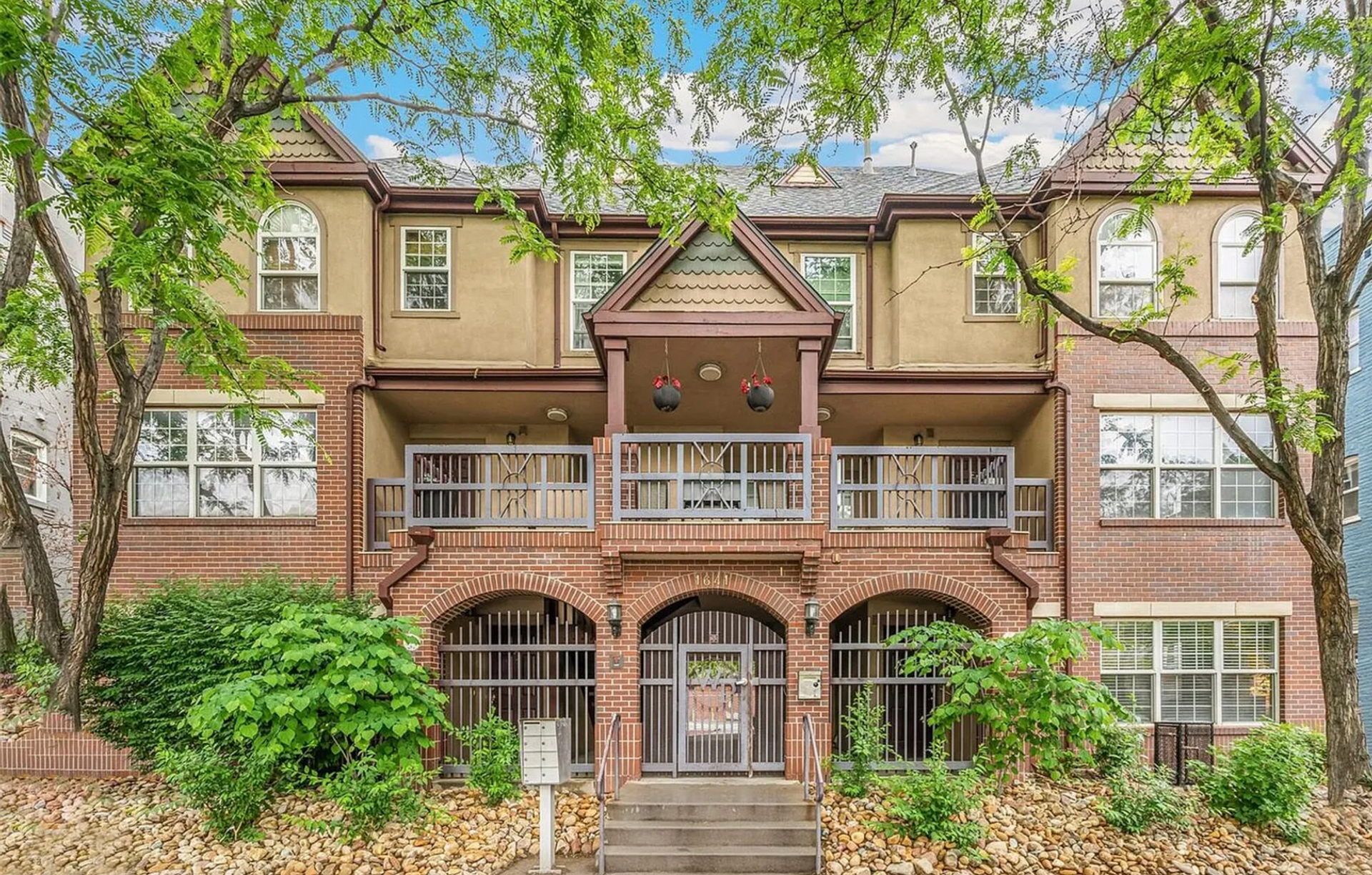
Denver Rentals

Denver tells a very different story, not because it’s struggling, but because scale changes everything. Large amounts of new inventory have entered the market, particularly in attached and high-density housing. When supply increases that quickly, it reshapes pricing power and tenant choice.


This is where owners can feel surprised. A property that would have leased quickly a few years ago may now face more competition, not because it’s undesirable, but because tenants suddenly have alternatives. Incentives, concessions, and longer lease-up timelines become part of the landscape.


The key is understanding that this is structural, not personal. Denver is absorbing inventory. Over time, that inventory will get absorbed, but the path there looks different than Boulder’s. Expectations need to adjust accordingly.


I walked through this in more detail during a recent webinar, explaining how Denver’s delivery cycle is shaping rental behavior right now. It doesn’t undermine long-term investment decisions, but it does call for patience and a clear strategy instead of reacting to short-term pressure.

The Overlooked Middle Markets

The Overlooked Middle Markets

Between Boulder and Denver sit markets that don’t always get enough attention. Louisville, Lafayette, Longmont, Erie, and surrounding communities often behave differently from either headline city.


These areas are often where owners get surprised. Some handle pressure more smoothly because they offer a mix of space, relative affordability, and access that tenants value. Others feel shifts faster, especially if there’s a new development coming online or a demographic change happening nearby. The biggest mistake I see is assuming these markets will simply follow Boulder or Denver. They won’t.


This is where regional insight becomes especially valuable. Understanding how these communities respond to supply, pricing, and tenant demand can make the difference between feeling stuck and feeling informed.

Property Type Matters as Much as Location


One of the biggest distinctions right now is property type. Single-family homes and attached homes can behave very differently, even when they’re in the same neighborhood.


Detached homes tend to hold demand more consistently because they offer something tenants can’t easily replace. Attached homes are more sensitive to competition, especially when new units enter nearby. This doesn’t make one good and the other bad. It simply means owners need to calibrate expectations and strategy based on what they own.


When owners view performance through this lens, conversations become more productive. Pricing decisions feel less emotional. Adjustments feel strategic instead of reactive.


What This Means for Owners Right Now

What This Means for Owners Right Now


If your property feels slower, softer, or different than it did a few years ago, that doesn’t automatically mean it’s underperforming. In many cases, it means the regional context has shifted.


The most important question to ask right now is not “Is the market bad?” It’s “Is my experience consistent with what’s happening in my specific micro-market?” When you answer that honestly, the next steps become much clearer.


This is where partnership really matters. At Fox, our role isn’t just to handle the day-to-day. It’s to help owners make sense of what they’re seeing so decisions stay aligned with long-term goals. Sometimes the right move is to hold steady. Sometimes it’s to adjust. What matters most is understanding the landscape before reacting to it.


If you want to talk through how your property fits into its regional context, that conversation is always available. Clarity is one of the most valuable things an owner can have, especially in a market that rewards patience and perspective.


Boulder Property Management: Why Local Knowledge Wins
By Jennifer Fox March 11, 2026
Local property management expertise protects value, reduces risk, and improves outcomes. Here’s what real local knowledge looks like.
Single-Family vs Multifamily vs Short-Term Rentals: Choosing the Right Property Type in Colorado
By Jennifer Fox March 11, 2026
Compare single-family, multifamily, and short-term rentals. Find the best property type for your goals, risk tolerance, and management preferences.
Real Estate Investment Outlook 2026: A Reset Year Explained
By Jennifer Fox March 9, 2026
2026 isn’t a boom or a crash. Learn how disciplined investors are navigating rates, inventory, and risk in a reset real estate market
Boulder Real Estate 2026: Why Long-Term Owners Win
By Jennifer Fox March 4, 2026
Expert insights on Boulder's 2026 real estate market. Learn why experienced investors stay the course and profit from long-term property ownership.
FOX TALKS: Colorado Real Estate Insights — Boulder–Denver Market Conditions & Investment Outlook
By Jennifer Fox March 4, 2026
Long-term perspective on the Boulder–Denver market, rental trends, and what 2026 means for Colorado real estate investors.
Preparing Boulder for Sundance Film Festival: A Community Housing Panel
By Jennifer Fox March 2, 2026
With the Sundance Film Festival set to arrive in Boulder in 2027, community conversations around housing, neighborhood impact, and responsible planning are already underway.
Sundance Film Festival Brings Lasting Opportunity for Boulder Homeowners
By Jennifer Fox January 29, 2026
Sundance Film Festival selects Boulder as its new home in 2027, offering long-term benefits for thoughtful property owners and the community.
Fox Property Management Celebrates 23 Years of Serving Louisville, CO Homeowners and Investors
By Jennifer Fox January 15, 2026
Fox Property Management celebrates over 23 years of ethical property management in Louisville, CO, and Boulder County.